3 min read
BiCRS: A Key Strategy for Net-Zero Emissions
Biomass Carbon Removal and Storage (BiCRS) uses plants to pull CO₂ out of the atmosphere and lock it away. It scales, it is cheaper than most alternatives, and it fits into existing agriculture and forestry operations. This post looks at the role of BiCRS in reaching net-zero, drawing on recent studies.
Biomass Carbon Removal and Storage (BiCRS) uses biomass to sequester carbon dioxide (CO₂). Organic matter such as wood or crop residues captures and stores atmospheric CO₂. The process generates renewable energy and produces biochar, a stable form of carbon that can hold CO₂ for over 1,000 years. Converting biomass into syngas and biochar cuts reliance on fossil fuels and improves carbon management in the same step.
The “Roads to Removal” report, an initiative from Climate Now and the Livermore Lab Foundation, gives a detailed look at how the United States can reach net-zero greenhouse gas emissions by 2050. Among the strategies it covers, Biomass Carbon Removal and Storage (BiCRS) is one of the more significant and viable options.
Advantages of BiCRS
-
Scalability: BiCRS can be implemented on a large scale, providing a substantial contribution to carbon removal efforts.
-
Cost-effectiveness: Compared to other CO₂ removal technologies, BiCRS offers a more economical solution.
-
Sustainability: BiCRS can be executed without significant impacts on food supply or land use, making it a sustainable approach to carbon sequestration.
-
Economic Viability: The process balances environmental goals with economic feasibility, offering a pragmatic approach to climate change mitigation.
Alternatives
-
Forestry Management: This involves strategies like reforestation, afforestation, and improved forest management to enhance carbon sequestration.
-
Cropland Soil Management: Techniques to increase carbon storage in agricultural soils, such as the use of cover crops and carbon crops.
-
Direct Air Capture (DAC): Technological methods for capturing CO₂ directly from the air and storing it geologically.
-
Geologic Storage: Involves storing captured carbon in underground geological formations.
-
Use of Biomass: Transforming waste biomass and purpose-grown carbon crops into long-lived products or storing the carbon geologically.
Each technique has different capacities, costs, and regional applicability, and together they form a practical strategy for CO₂ removal.
BiCRS in Agriculture
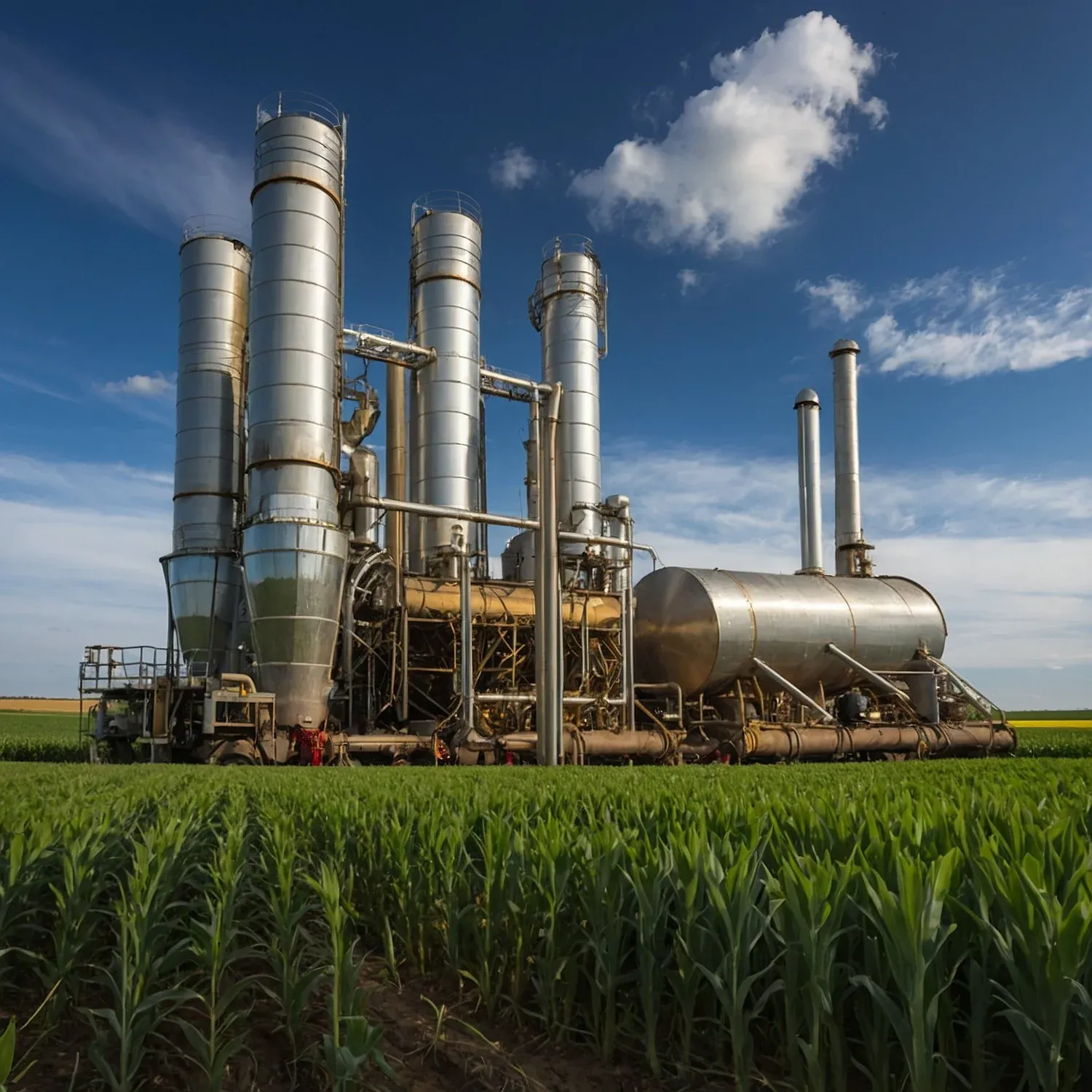
Traditionally, agricultural residues were burned or discarded, causing pollution and wasting resources. With biomass gasification, farmers can convert those residues into fuel for processing and heating. That cuts environmental impact and adds revenue from energy production and carbon credits.
Conclusion
BiCRS is a strong option for the U.S. in addressing climate change. It scales, it is affordable, and it uses biomass that would otherwise go to waste, which is why the “Roads to Removal” report treats it as a core piece of the path to net-zero by 2050.