4 min read
Biomass Gasification: A Sustainable Solution for Agriculture
Biomass gasification is a growing market, projected to nearly double in value by 2031. It produces renewable energy and stores carbon in one process, which makes it especially useful for agriculture.
The global biomass gasification market is expected to grow from USD 52.6 billion in 2023 to USD 96.9 billion by 2031. Biomass gasification is a thermochemical process that converts organic materials into syngas. It is used in power generation, chemical manufacturing, and waste management, and agriculture has begun using it to improve sustainability and productivity.
What Biomass Gasification Brings to Agriculture
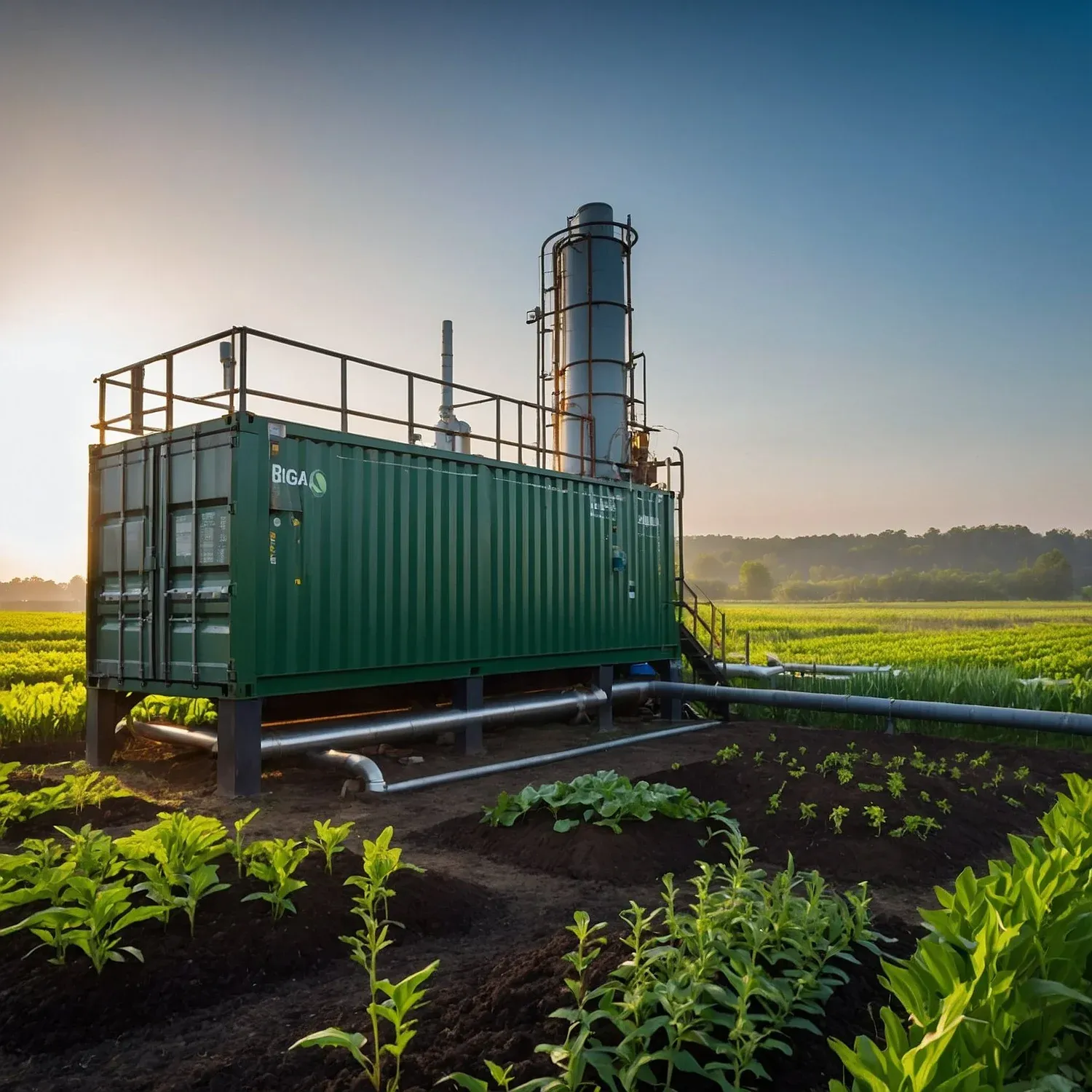
Agriculture produces large amounts of biomass waste from crop residues and other organic materials. Traditionally these by-products were discarded, but biomass gasification turns them into energy and biochar. The syngas can be used as a renewable energy source, and the biochar locks carbon into the soil for the long term. Biochar also improves soil structure, water retention, and nutrient availability, leading to higher crop yields and cutting the need for chemical fertilizers.
Economic and Environmental Benefits
Biomass Carbon Removal and Storage (BiCRS) captures carbon dioxide (CO₂) efficiently. It improves a company’s environmental credentials and creates additional revenue through carbon credits. As agricultural waste is gasified, the captured CO₂ is stored in biochar, a stable form that holds carbon for over 1,000 years. Producing renewable energy and cutting greenhouse gas emissions in the same process makes biomass gasification a key technology for climate action.
Case Study: Agricultural Sector
Traditionally, agricultural residues such as crop stalks, straw, and other plant matter were often burned or discarded, leading to significant pollution and wastage of valuable resources. Burning agricultural residues adds to air pollution and greenhouse gas emissions, and it wastes the energy those materials contain.
By implementing biomass gasification technology, farmers have been able to transform this scenario significantly. Biomass gasification allows for the conversion of agricultural residues into syngas, a versatile and clean-burning fuel. This process has enabled farmers to utilize their otherwise wasted biomass to produce useful energy for various agricultural processes, including drying crops, heating greenhouses, and powering farm equipment.
The adoption of biomass gasification in the agricultural sector addresses several critical issues:
-
Cleaner Energy Production: By converting agricultural residues into syngas, farmers can reduce their reliance on fossil fuels and produce renewable energy on-site. This shift lowers greenhouse gas emissions and gives farming operations a more sustainable energy source.
-
Environmental Impact Reduction: The traditional practice of burning agricultural residues contributes to air pollution and climate change. Biomass gasification mitigates this by capturing the carbon dioxide (CO₂) released during the process and storing it in biochar. This biochar can be used to improve soil health, further enhancing the sustainability of farming practices.
-
Additional Revenue Streams: Farmers benefit financially from the energy produced through biomass gasification. They can use the syngas for their own energy needs or sell it to local markets. Additionally, the carbon sequestration aspect of biomass gasification allows farmers to earn carbon credits. These credits can be sold or traded, providing an extra source of income.
-
Resource Efficiency: Biomass gasification maximizes the use of agricultural residues, turning waste into valuable resources. This use of biomass supports a circular economy in the agricultural sector, where waste materials are recycled and repurposed.
-
Improved Soil Health: The biochar produced during the gasification process can be applied to fields as a soil amendment. Biochar enhances soil structure, increases water retention, and provides essential nutrients, leading to improved crop yields and soil fertility over time.
Supporting Global Energy Transition
Europe is leading the push for biomass gasification through policies like the Renewable Energy Directive (RED) and the Biomass Action Plan. These policies encourage the use of biomass for energy production, including gasification technologies. The UK and Germany have plans to build biomass gasification facilities to meet their carbon neutrality targets by 2030.
Conclusion
Biomass gasification is a practical tool for agriculture. By converting agricultural waste into renewable energy and storing carbon, it delivers economic and environmental benefits at the same time. As the market grows, its impact on agriculture will become more significant.
At Loopura, we build biomass gasification systems that turn organic waste into clean syngas and biochar. Our systems serve farmers, industrial operators, and energy producers who want to cut their carbon footprint, manage waste, and earn additional revenue from carbon credits and renewable energy.
Sources:
-
“The global biomass gasification market is projected to witness a CAGR of 7.66% during the forecast period 2024-2031, growing from USD 52.60 billion in 2023 to USD 96.91 billion in 2031” (Source)
-
“A recent study by the Lawrence Livermore National Laboratory found that Biomass Carbon Removal and Storage (BiCRS) is one of the most efficient ways of capturing CO₂” (Source)