2 min read
The Growing Cost of Climate Change
Climate change is becoming an expensive problem. Biomass gasification and carbon capture cut emissions and produce renewable energy from material that would otherwise go to waste.
Understanding the Economic Impact of Climate Change
Recent studies have highlighted the staggering economic implications of climate change. Diego Känzig of Northwestern University and Adrien Bilal of Harvard University estimate that an additional 1°C of warming could lead to a 12% fall in global GDP (Harvard Gazette, 2024). This represents a drastic increase in costs compared to earlier estimates, emphasizing the urgency for effective climate mitigation strategies.
The Cost of Climate Change
The global cost of climate change damage is projected to be between $1.7 trillion and $3.1 trillion per year by 2050 (EcoWatch, 2023). This includes the impact on infrastructure, property, agriculture, and human health. As these costs continue to rise, innovative solutions are needed to reduce greenhouse gas emissions and mitigate the economic burden.
Biomass Gasification: A Sustainable Solution
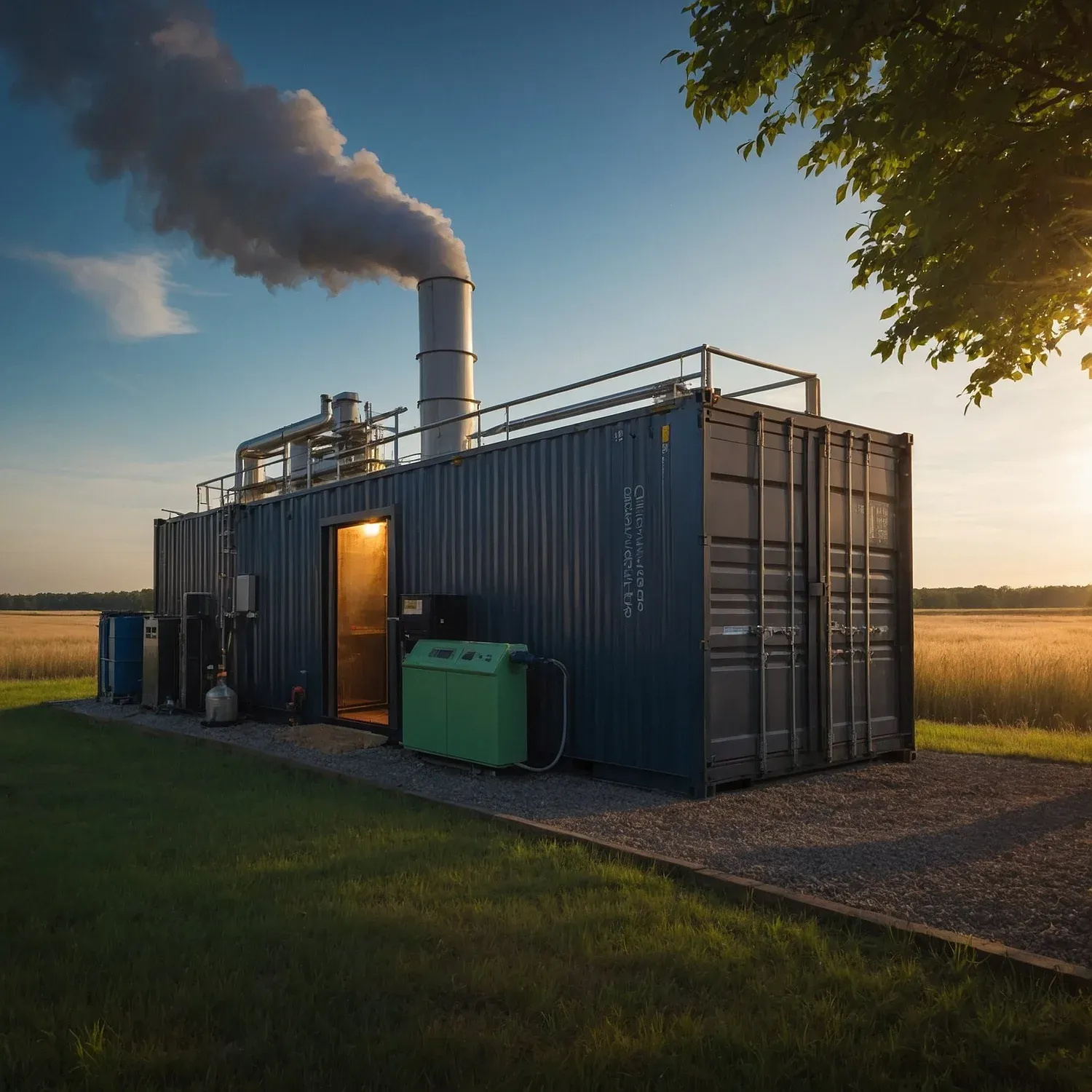
Biomass gasification and carbon capture technologies offer a practical path to address climate change. These systems convert organic materials into syngas and biochar, giving a renewable energy source and storing carbon for over 1,000 years. The process reduces CO₂ emissions and creates valuable byproducts that can be used in other industries.
The Economic Advantages of Biomass
Renewable power generation is becoming increasingly competitive, and biomass gasification is one of the more efficient and cost-effective options. According to the International Renewable Energy Agency (IRENA), using agricultural and forestry waste as feedstock can produce electricity for as little as USD 0.06/kWh in the OECD and USD 0.02/kWh in developing countries. That makes biomass a viable option for reducing reliance on fossil fuels and lowering energy costs.
Conclusion
As the economic impacts of climate change grow more severe, sustainable energy solutions become essential. Biomass gasification and carbon capture technologies do two things at once: provide renewable energy and reduce carbon emissions. Investment in these solutions is what moves the economy toward long-term stability.