3 min read
How Biomass Gasification Can Help Companies Reduce Pollution
Understanding Pollution: A Global Challenge
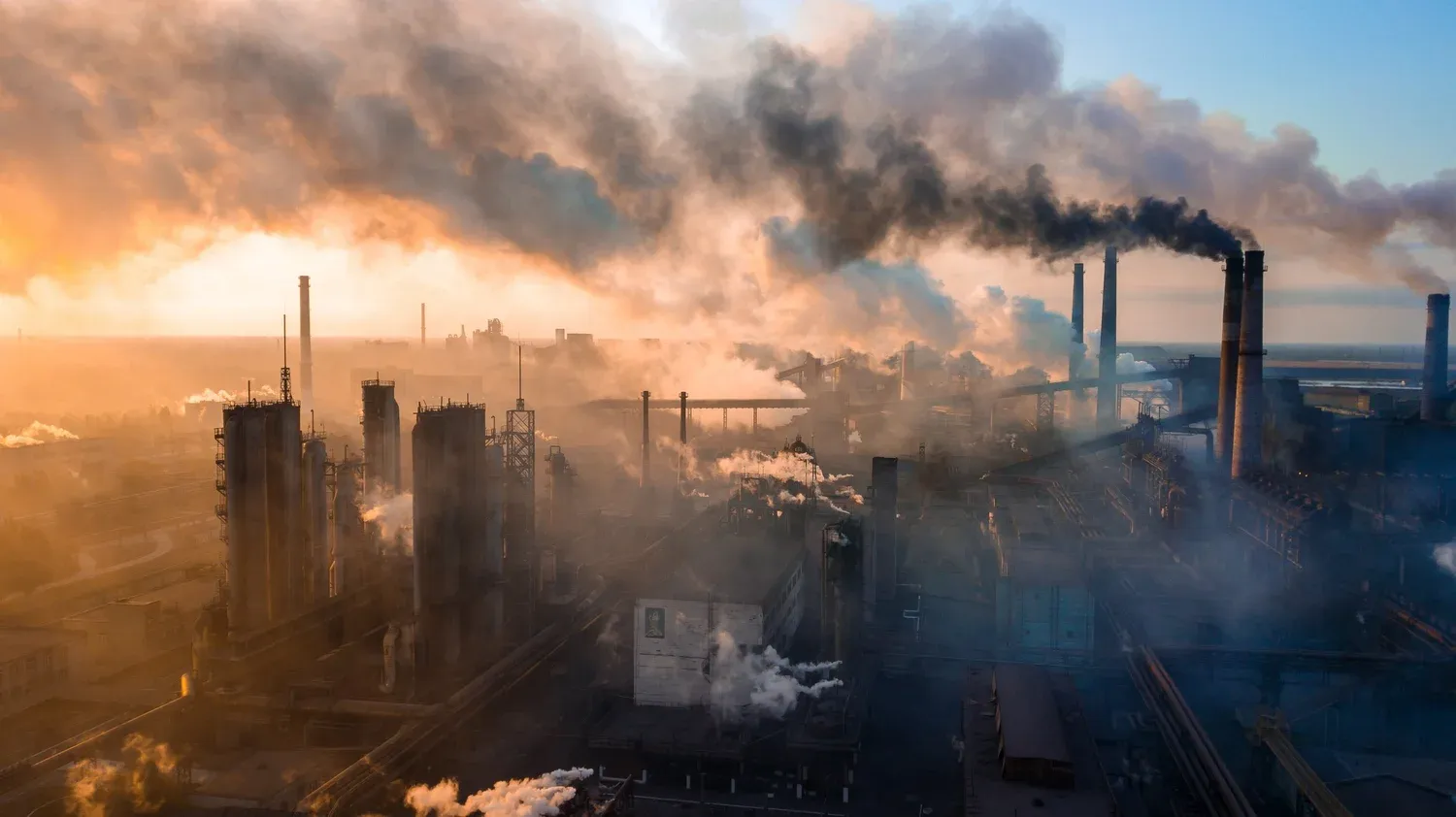
Pollution is a critical global issue, affecting air, water, and soil. It results from harmful substances accumulating faster than nature can break them down, causing damage to human health and ecosystems. Pollution is most often associated with industrial emissions and transportation, but agriculture and forestry also contribute.
The Hidden Costs of Pollution
According to the World Health Organization (WHO), 99% of the global population breathes air that exceeds safe pollution levels, increasing the risk of heart disease, stroke, lung disorders, and even cancer. In 2019 alone, air pollution contributed to 6.7 million deaths worldwide. The 2024 State of Global Air Health report ranked air pollution as the second leading cause of premature death, surpassed only by high blood pressure.
Overlooked Contributors: Agriculture and Forestry
Discussions of pollution usually focus on transportation and energy. Agriculture and forestry contribute plenty too, mainly through:
-
The use of synthetic fertilizers and pesticides, which contaminate soil and water.
-
Open field burning to clear land, releasing massive amounts of fine particulate matter (PM2.5) into the air.
-
Unused biomass waste, which increases fire risks and contributes to carbon emissions.
A striking example is India’s capital, New Delhi, where seasonal agricultural fires significantly degrade air quality. In November 2024, pollution levels soared due to nearby farmers burning crop residues, contributing up to 40% of the city’s toxic air, forcing school closures and halting construction projects.
Biomass Gasification: A Sustainable Alternative
Rather than burning organic waste and worsening pollution, industries can use biomass gasification, a cleaner method that converts organic materials such as wood chips, leaves, and crop residues into syngas (synthetic gas) for energy production.
Key Benefits of Biomass Gasification:
-
Fire Risk Reduction: Unused biomass, such as fallen branches and leaves, often increases wildfire risks. Gasification eliminates this hazard by converting waste into useful energy.
-
Lower CO₂ Emissions: Traditional combustion releases carbon stored in biomass within minutes. Gasification prevents this, enabling cleaner energy production with minimal emissions.
-
Biochar Production: Gasification produces biochar, a highly absorbent carbon-rich material that can store CO₂ for centuries while also improving soil fertility and reducing water consumption.
Economic Advantages of Biomass Gasification
Aside from environmental benefits, biomass gasification presents a profitable opportunity for industries:
-
Green Energy Generation: Convert agricultural and forestry waste into renewable energy, lowering operational costs and dependence on fossil fuels.
-
Expanded Customer Base: As sustainability becomes a top priority for businesses, eco-friendly practices can attract new clients and partners.
-
Carbon Credit Sales: Companies adopting biomass gasification can generate and sell carbon credits, creating an additional revenue stream.
-
Biochar Market Growth: In 2023, biochar sold for an average of $131 per ton. By implementing biomass gasification, companies can turn waste into valuable, sellable products.
Take Action: Reduce Pollution While Boosting Profits
The agriculture and forestry industries are at a turning point. Adopting biomass gasification reduces pollution, cuts fire risks, and opens up new revenue opportunities.
If you want to explore a cleaner, more profitable operation, contact us at sales@loopura.com or fill out our contact form.